COLLIDER PROJECT
INSIDE THE STUDIO
Passion. Ideas. Music. Collide.
There isn’t a Collider Project formula.
Sometimes a song begins on guitar. Sometimes piano. Sometimes with a bass line, a rhythm, a lyric or a melody.
Sometimes several pieces seem to arrive together.
The studio is where those fragments collide.
For Christian, recording isn’t simply the process of capturing a song that has already been completed somewhere else.
It is part of writing it.
An arrangement can begin very simply and change completely as the recording develops. Guitars, bass, keyboards, piano, acoustic and programmed drums, percussion, vocals, harmonies and effects are possibilities rather than requirements.
The question is always the same:
What does the song need?
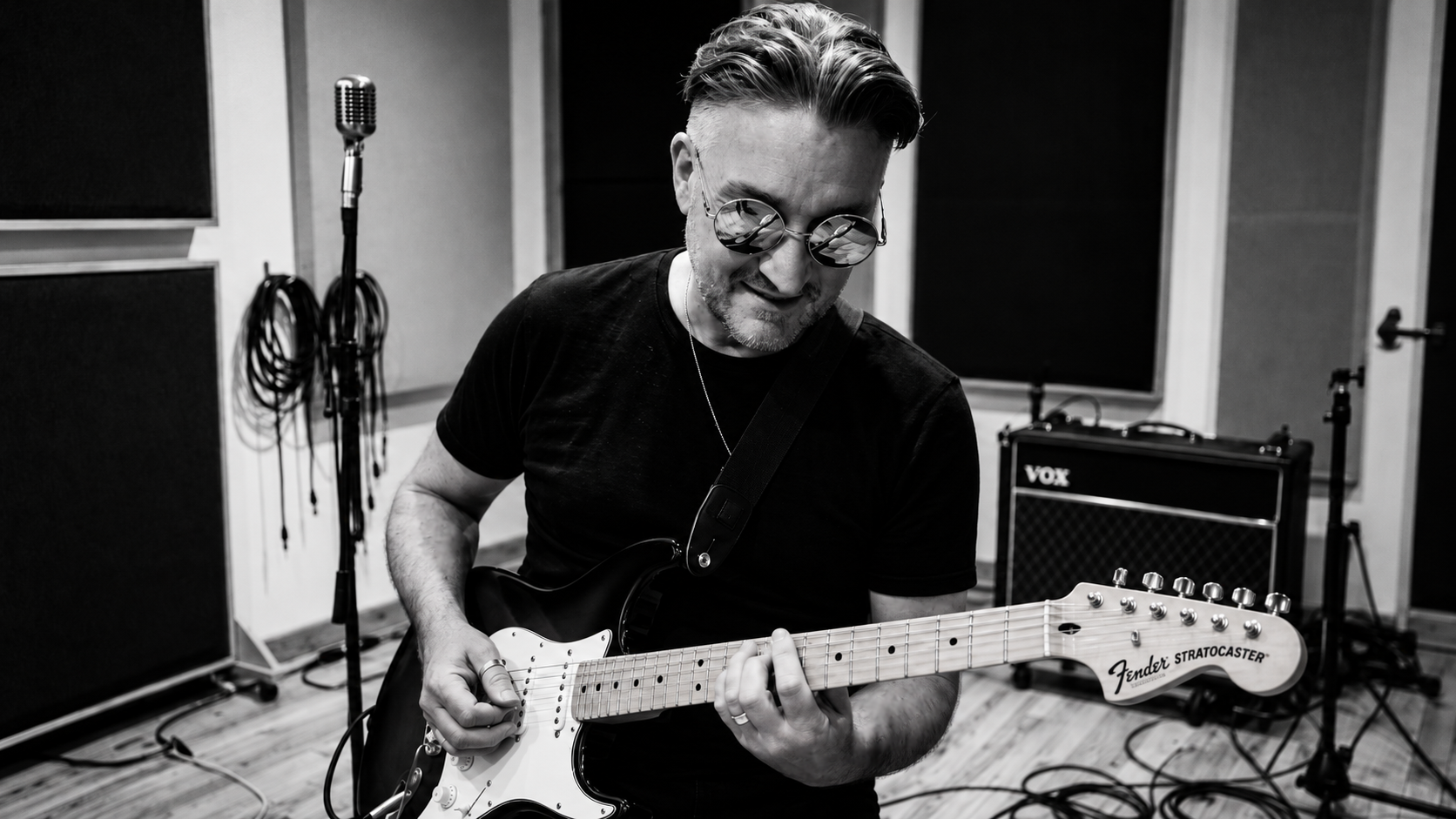

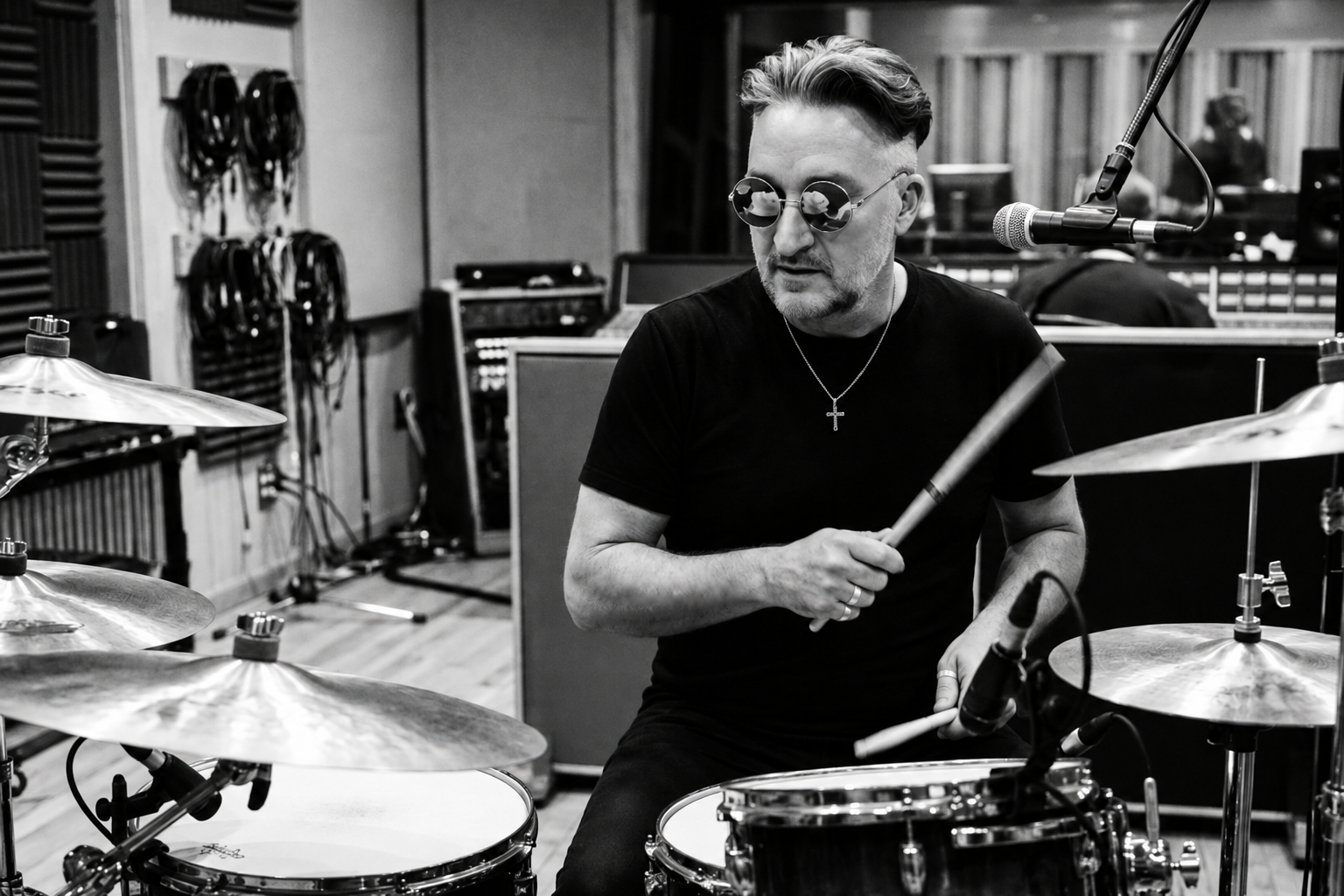
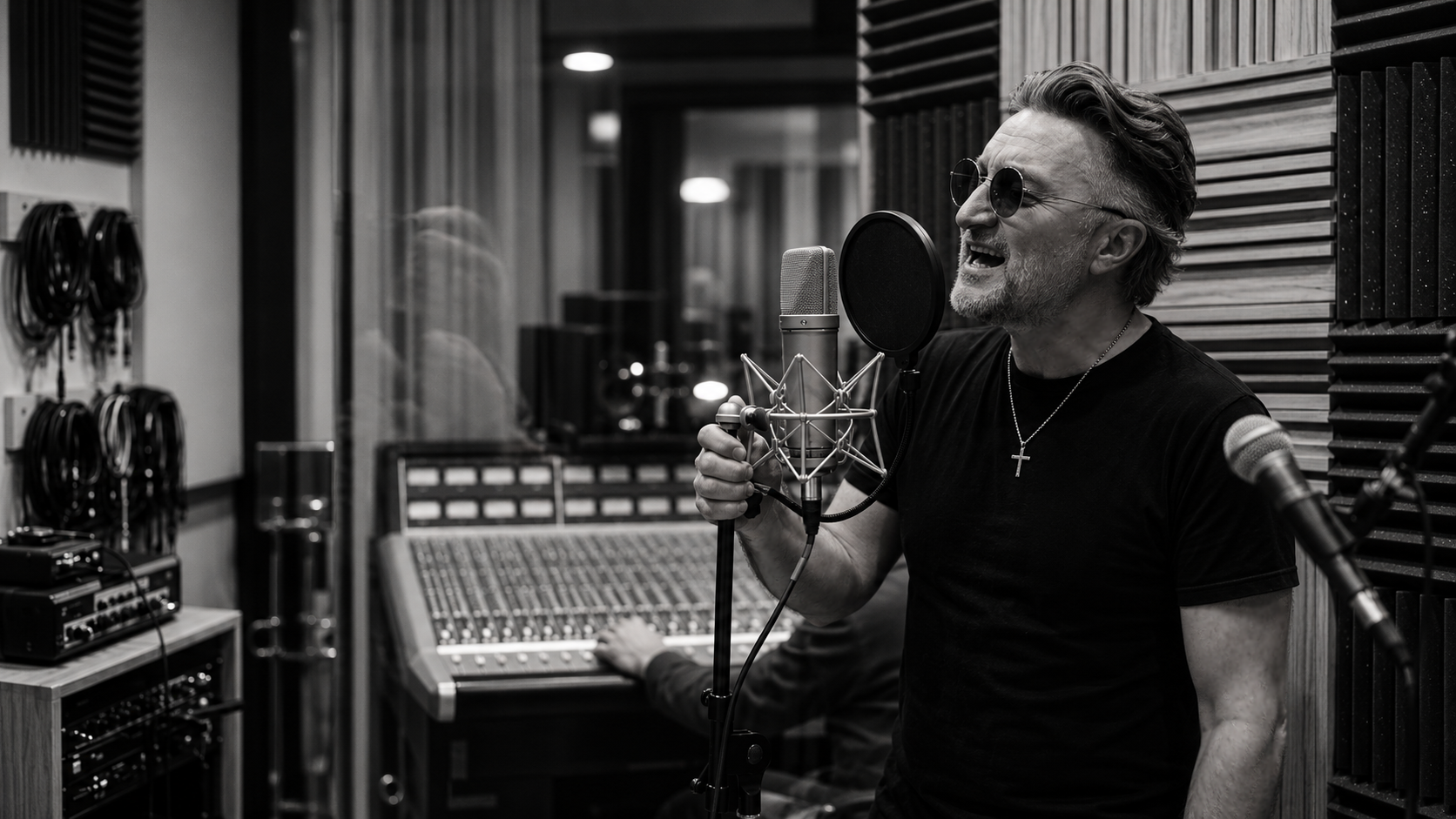
Playing all the parts makes the process unusually fluid.
A bass line can become the foundation of an entire song. A drum part can change the way the guitars move. A piano chord can send the arrangement somewhere unexpected.
A vocal can make an instrument unnecessary.
And a harmony can change the emotional meaning of a line.
Voices aren’t simply placed over a finished backing track. Lead vocals, doubled performances, harmonies and supporting lines can become part of the arrangement itself, changing its shape and atmosphere.
Something recorded as an experiment can suddenly become the centre of a track.
And something that took hours to record can disappear completely if the song works better without it.
Nothing gets to stay simply because it was there first.
Having every instrument available doesn’t mean every instrument has to be used.
Sometimes producing a song means adding another part.
Sometimes it means recognising that the part you’ve just recorded isn’t needed at all.
Space is an instrument as well.
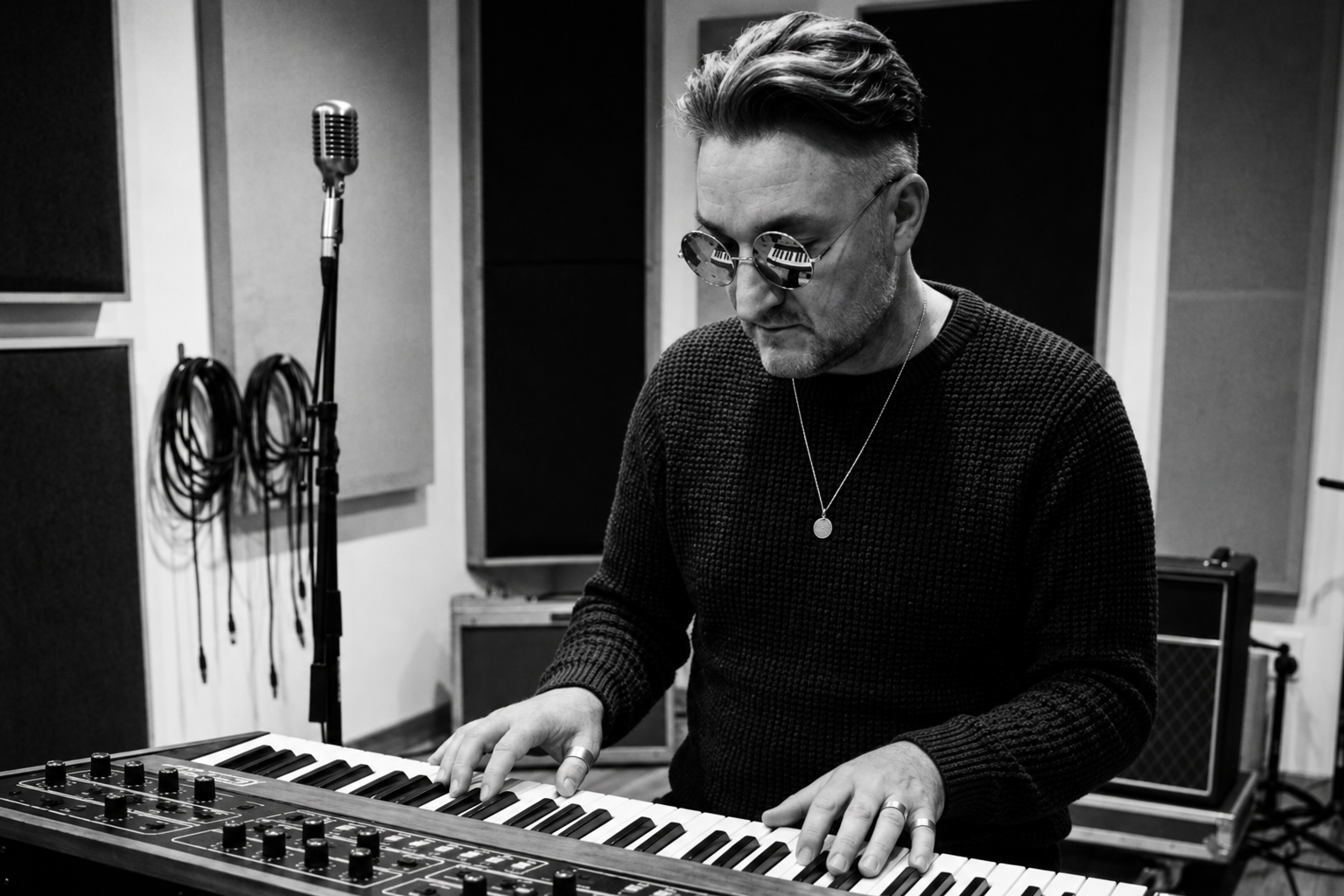
Space is an instrument as well. Sometimes the song needs restraint. Sometimes it needs everything.

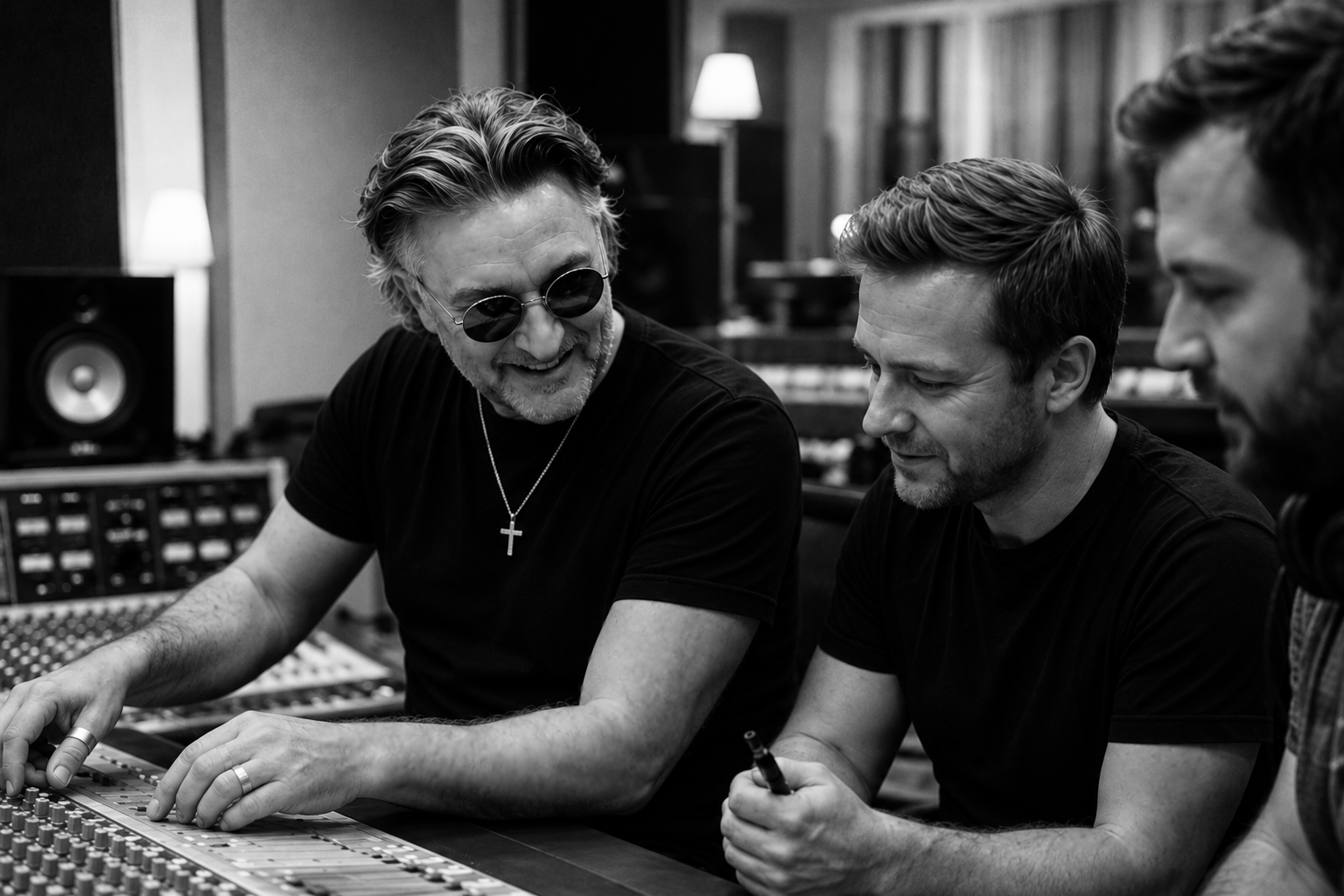
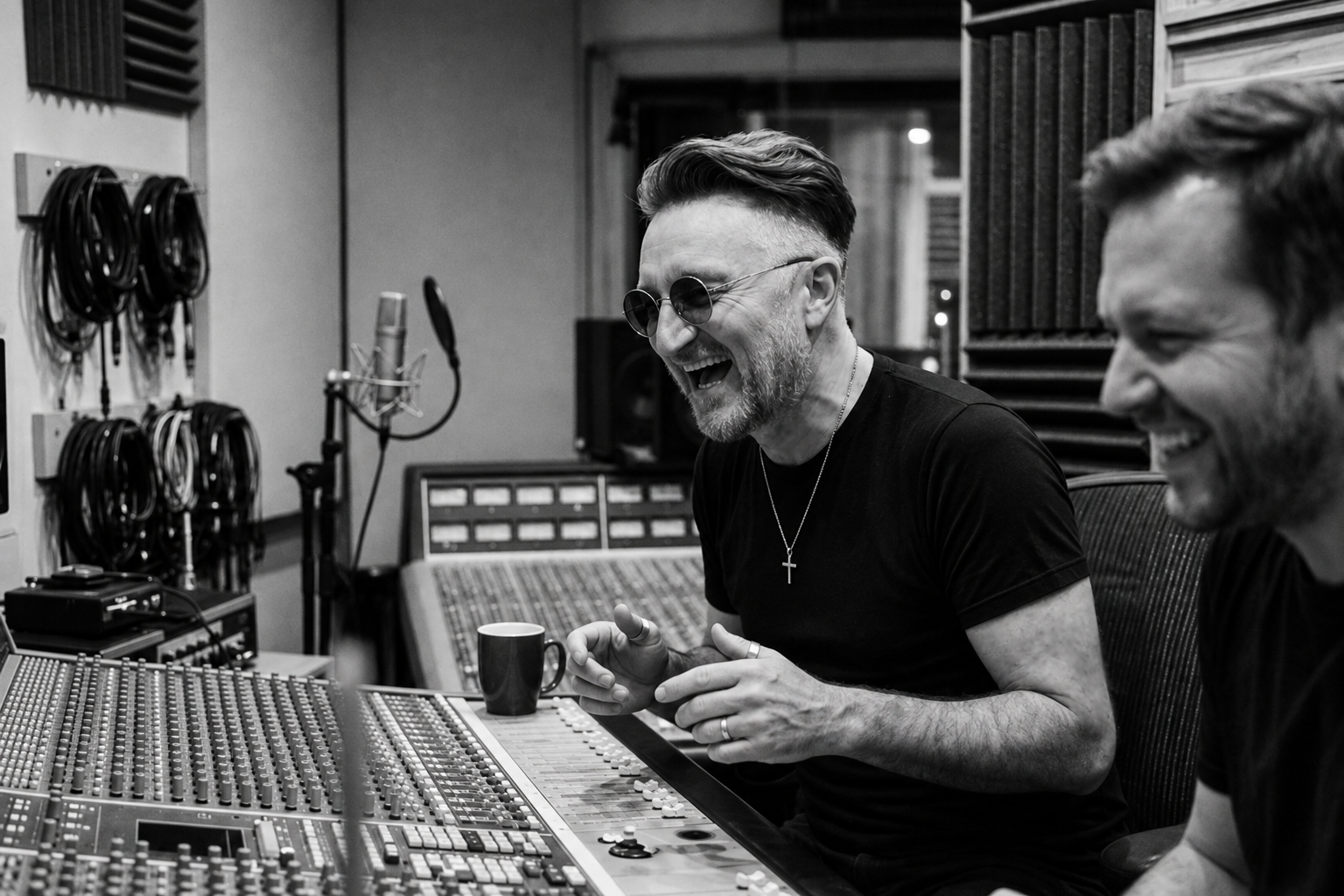
The same freedom applies to sound.
One Collider Project track might demand something raw and immediate. Another can be layered and carefully constructed.
Acoustic instruments can sit beside programmed rhythms and electronic textures. A deliberately imperfect performance can sometimes say more than a technically perfect one.
There is no dividing line between traditional instruments and technology.
Both are tools for creating music.
And sometimes the song needs restraint.
Sometimes it needs everything.
The technology is there to serve the music — not the other way around.
Because Christian controls the whole process, an idea can move directly from songwriting into arrangement, performance and production without having to be handed from one person to another.
Recording leads naturally into mixing.
The instruments need their own space, their sonic freedom, but they also need to feel as though they belong together. The balance, dynamics, effects and atmosphere all become part of telling the same story.
And when the mix is finished, mastering isn’t treated as somebody else’s final technical procedure. It is the last stage of the same creative process.
The aim isn’t perfection for its own sake.
It is to preserve the emotion, dynamics and personality that made the song worth recording in the first place.
The finished record isn’t separate from the songwriting.
It’s the final part of it.
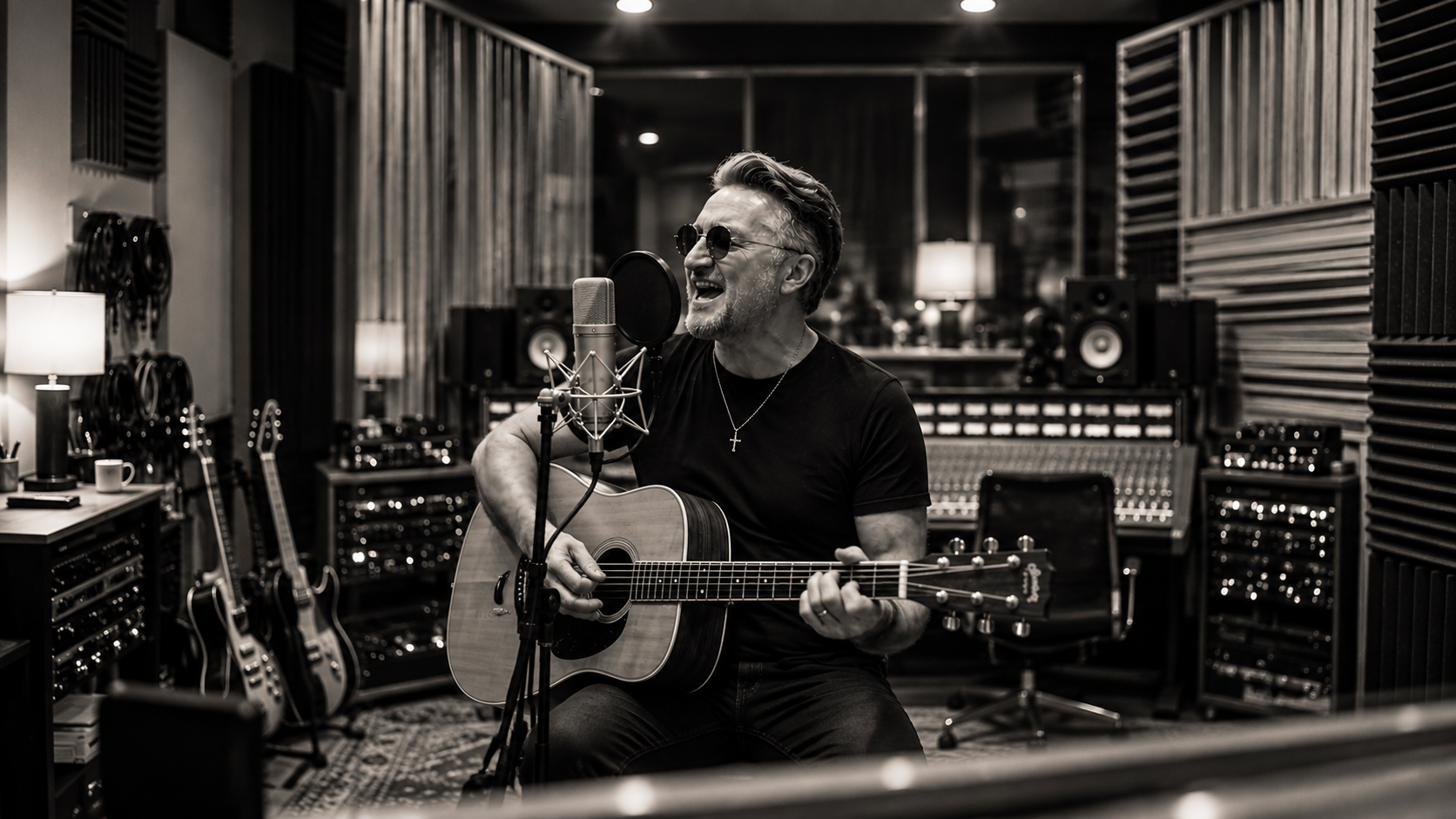
Passion. Ideas. Music. Collide.
Shaped in the studio.
